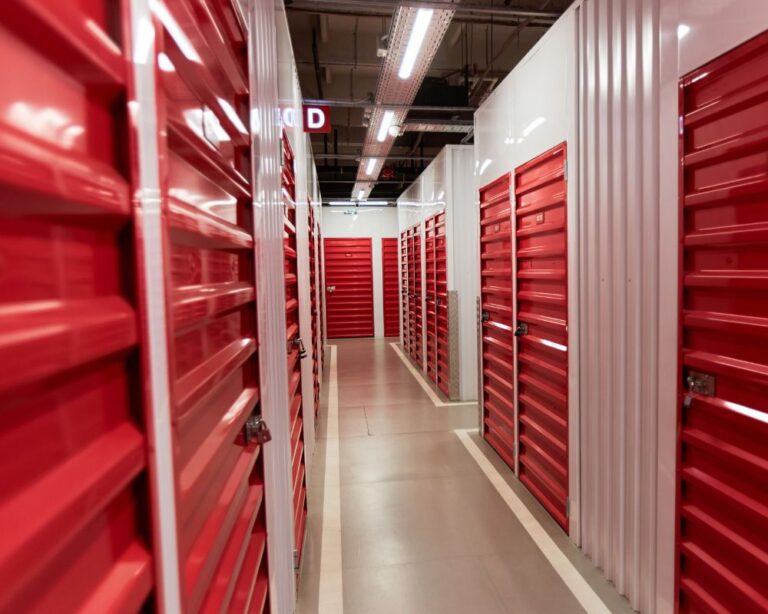

Whether you're relocating to the Research Triangle, downsizing in Charlotte, or storing belongings between homes in Asheville, knowing how to choose the right storage unit NC can save you money and protect your belongings from North Carolina's heat and humidity. The wrong unit means either paying for space you don't need or risking mold, mildew, and warping on items you care about. This complete guide covers everything North Carolina renters and movers should know before renting a storage unit.
Step 1: Determine the Right Storage Unit NC Size
Since storage units are priced by size, choosing correctly is the single biggest factor in your monthly cost. Here's what standard sizes typically hold:
- 5x5 (25 sq ft): A large closet — boxes, seasonal decor, small furniture. Ideal for a studio or dorm declutter.
- 5x10 (50 sq ft): A one-bedroom apartment's contents, minus large appliances.
- 10x10 (100 sq ft): About two bedrooms of furniture and boxes.
- 10x15 (150 sq ft): A three-bedroom home including appliances.
- 10x20 (200 sq ft): A full house or a vehicle plus goods — like a one-car garage.
Step 2: Climate Control Is Especially Important for a Storage Unit NC
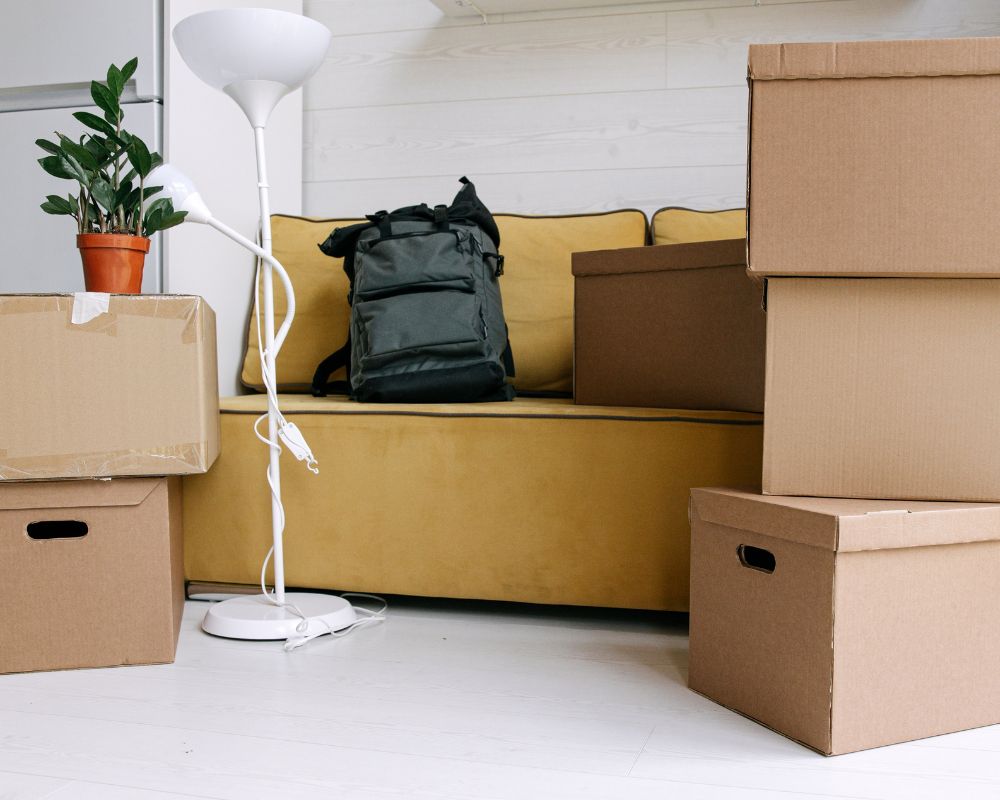
North Carolina's hot, humid summers make climate control more of a necessity than a luxury for many items. The state's humidity can cause mold, mildew, and warping in a matter of weeks in a standard unit. Strongly consider climate control if you're storing:
- Wood furniture (warps and cracks in humidity)
- Electronics and appliances
- Artwork, photos, and important documents
- Musical instruments
- Leather and upholstered furniture (highly prone to mold in NC humidity)
- Clothing, linens, and fabric items
Step 3: Verify Security Before Renting a Storage Unit NC
Before signing, confirm the facility offers:
- 24/7 video surveillance
- Gated access with personal entry codes
- Well-lit grounds for safe access
- Individual unit alarms or quality locks
- On-site management during business hours
Step 4: Understand Storage Unit NC Costs
Storage pricing in North Carolina varies by city, size, and whether you need climate control. Fast-growing metros like Charlotte and Raleigh run higher than smaller cities like Greensboro or Fayetteville. Watch for:
- Teaser rates: A cheap first month that jumps afterward — always ask the ongoing rate.
- Admin and lock fees: One-time charges added to your first bill.
- Insurance: Some facilities require coverage or sell their own.
- Access fees: Confirm whether 24-hour access costs extra.
✓ Storage Unit Checklist — NC
- Inventory your items to estimate the right unit size
- Choose climate control for anything mold- or heat-sensitive (critical in NC)
- Verify 24/7 surveillance, gated access, and lighting
- Compare true ongoing monthly cost, not just the intro rate
- Ask about admin fees, lock fees, and insurance
- Confirm access hours fit your schedule
- Inspect for cleanliness and pest control
- Factor in location vs. travel time
The Easier Option: Full-Service Storage with Marrins' Moving
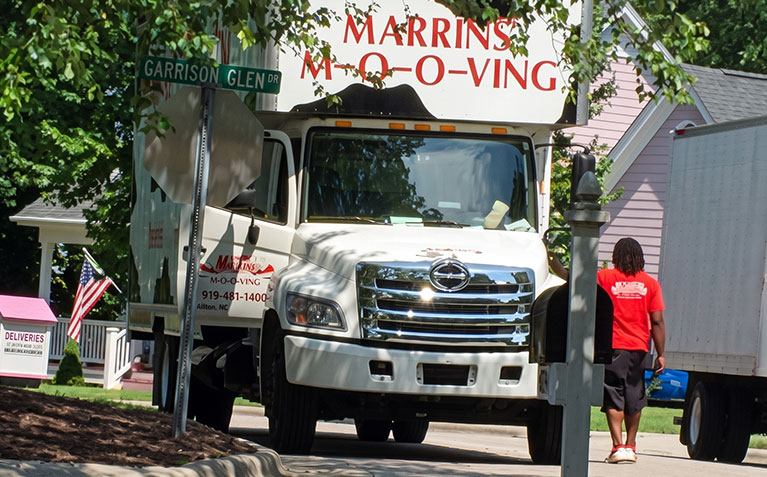
Self-storage means doing all the heavy lifting yourself — twice. A simpler path is full-service storage, where your mover picks up, transports, inventories, and stores your belongings, then delivers them when you're ready. Marrins' Moving offers secure full-service storage across North Carolina, so you skip the truck rental and the sweaty summer hauling entirely.
Need storage in North Carolina? Skip the DIY hauling and the humidity worries. Marrins' Moving offers secure full-service storage — get a free quote today.
Get a Free Storage Quote